
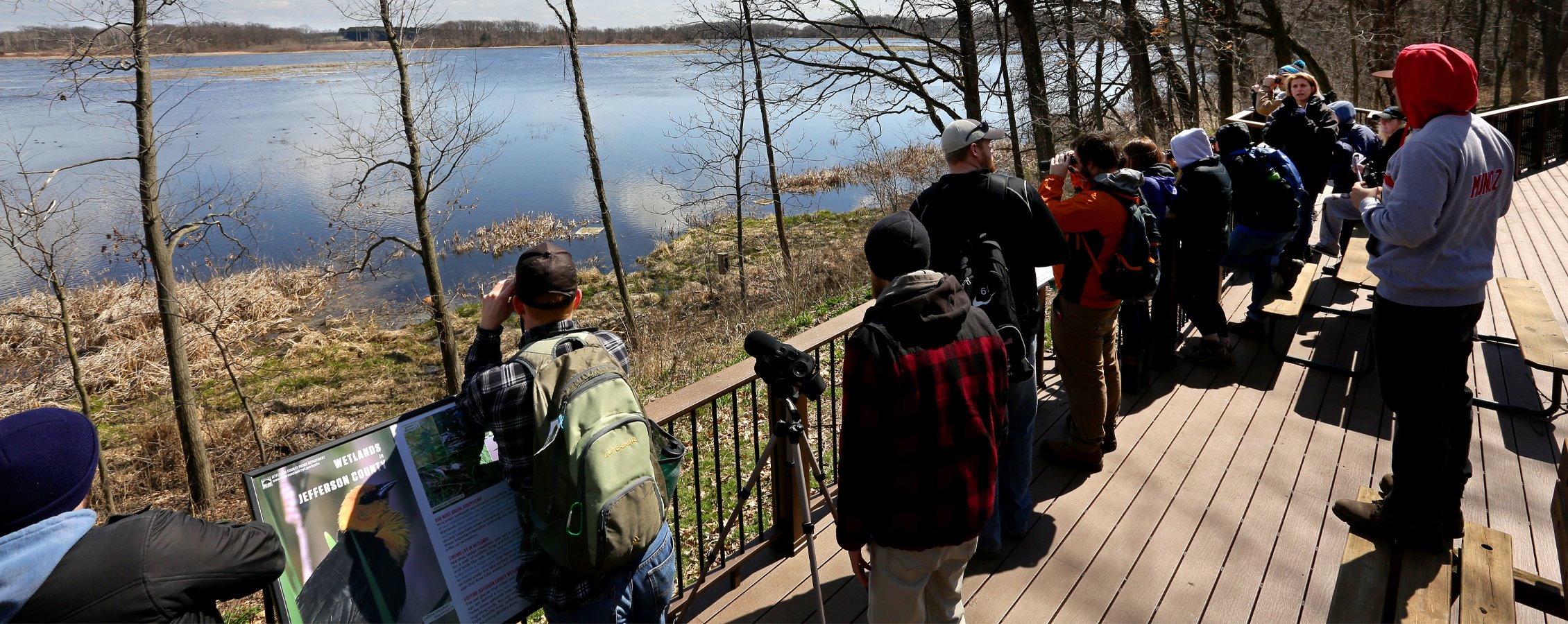
DEPARTMENT OF BIOLOGY
Welcome to Biology at the University of Wisconsin-Whitewater, where we are dedicated to nurturing the next generation of scientists, educators, and leaders. At the heart of our department lies a deep passion for understanding the living world, from the tiniest microorganisms to the grand tapestry of ecosystems that shape our planet.
Our faculty members are not only accomplished researchers but also enthusiastic educators who are eager to share their knowledge and expertise with students through dynamic courses, numerous research opportunities, and hands-on laboratory experiences.
Beyond our campus, we are committed to engaging with the broader community, sharing our passion for biology through outreach programs, public lectures, and partnerships that promote scientific literacy and environmental stewardship.
Contact us
Kerry Katovich
Department Chair & Associate Professor
Phone: 262-472-5132
Location: Upham Hall 309
Amber Kammeraad
Department Assistant
Phone: 262-472-1092
Location: Upham Hall 320

Mission Statement
The mission of the Department of Biology is to provide quality educational and research experiences for undergraduate students in the life sciences, and to provide a regional resource of biology expertise. This mission is accomplished by attaining the following specific goals.
- Develop and deliver outstanding and diverse curricula; preparing students for careers in the biological sciences, for graduate training in biological sciences, and for entry into health professional programs.
- Offer up-to-date courses relevant to the needs of modern Biology that demand high standards of academic performance, preparing biology students for success in post-baccalaureate programs and in a global job market.
- Offer targeted Emphases in Biological Sciences majors; through imparting knowledge and developing skills requisite for careers within the biological sciences.
- Offer well-informed and accurate academic advising to students in the Biological Sciences majors, Combined Science Business major, General Science-Broadfield Biology major, and selected pre-health professional advising tracks; delivered in supportive and constructive advising sessions.
- Offer opportunities in research and career-related internships, recognizing that such activities are essential to a complete biology education.
- Improve science literacy for student citizens, consistent with the philosophy of liberal studies, and the needs of the College of Letters and Sciences and the University of Wisconsin–Whitewater.
- Develop and maintain a diverse community of scholars in the field of Biological Sciences.
- Require high standards in teaching, scholarship, and integrity for successful candidates for faculty positions, for continuing faculty and staff, and for tenure and promotion.
- Conduct original research in biology and in science pedagogy; presenting such research at regional, national, and international professional meetings and publishing them in peer-reviewed professional journals.
- Serve the College of Letters and Sciences, the University of Wisconsin-Whitewater, the University of Wisconsin System, and the greater community in committees and other structures development or advocacy organizations in our roles as educators, science professionals, university faculty, and community citizens.
- Accept committee work and other service opportunities at all levels of the University System consistent with our talents, training and interests.
- Serve as a community resource for biological information; hosting and visiting regional schools, youth and civic groups, and symposia.
Majors
- Biology - Cell/Physiology Emphasis (BA/BS)
- Biology - Early Entrance Pre-Professional Emphasis (BA/BS)
- Biology - Ecology, Evolution and Behavior Emphasis (BA/BS)
- Biology - Honors Emphasis (BA/BS)
- Biology - Marine Biology and Freshwater Ecology Emphasis (BA/BS)
- Biology - Pre-Biomedical Professions Emphasis (BA/BS)
- Biology Education - Cell/Physiology Emphasis (BA/BS)
- Biology Education - Ecology/Field Emphasis (BSE)
Related Majors and Minors
- Course Descriptions
- Integrated Science Business Water Resources
- Science & Business Integrated
- Biology Education
- Chemistry Minor
- Environmental Studies Minor
- Forensics Minor
- GIS Minor
- Physical Sciences Minor
- Dentistry Advising
- Optometry Advising
- For the checklists or four-year plans, click here.

Irene Broughan
Lecturer 1, Lab Manager
Department(s): BIOLOGY
Upham Hall 250 |
(262) 472-5140

Nathaly Cormier
Assistant Professor
Department(s): BIOLOGY
Upham Hall 205 |
(262) 472-1308

Kirsten Crossgrove
Associate Professor
Department(s): BIOLOGY
Upham Hall 353 |
(262) 472-1678

Kris Curran
Professor, Add'l Pay Non-Instructional
Department(s): BIOLOGY
Upham Hall 355 |
(262) 472-5144

Ellen S Davis
Associate Professor
Department(s): BIOLOGY
Upham Hall 361 |
(262) 472-5141

Susan Devries
Assistant Professor
Department(s): BIOLOGY
Upham Hall 309 |
(262) 472-5137

Elisabeth A Harrahy
Associate Professor
Department(s): BIOLOGY
Upham Hall 305 |
(262) 472-1086

Amber L Kammeraad
Department Assistant
Department(s): BIOLOGY
Upham Hall 320 |
(262) 472-1092


Kerry R Katovich
Associate Professor
Department(s): BIOLOGY
Upham Hall 311 |
(262) 472-5132

Nadine L Kriska
Senior Lecturer
Department(s): BIOLOGY
Upham Hall 319 |
(262) 472-2264

Robert K Kuzoff
Associate Professor
Department(s): BIOLOGY
Upham Hall 307 |
(262) 472-5142

Stephen J Levas
Associate Professor
Department(s): BIOLOGY, GEOGRAPHY/GEOLOGY/ENV SCI
Upham Hall 303 |
(262) 472-6200

Anneke Els Lisberg
Associate Professor
Department(s): BIOLOGY
Upham Hall 203 |
(262) 472-5138

Brian J O'Neill
Associate Professor
Department(s): BIOLOGY
Upham Hall 357 |
(262) 472-1085


Andrea Romero
Associate Professor
Department(s): GEOGRAPHY/GEOLOGY/ENV SCI, BIOLOGY
Upham Hall 363 |
(262) 472-1455

Nicholas P Tippery
Professor
Department(s): BIOLOGY
Upham Hall 350 |
(262) 472-1061

Daryle A Waechter-Brulla
Professor
Department(s): BIOLOGY
Upham Hall 248 |
(262) 472-5131
Do you want the best possible preparation for graduate school or a post-graduate professional program such as medicine or veterinary medicine?
Do you want recognition, beyond simply your GPA, of your abilities and the high level of effort you put into your studies? If the answer is yes to one or both of these questions, then you may belong in the Biology Honors Emphasis. This emphasis can be shaped to fit your area of interest and are built around the Cell-Physiology or Ecology-Evolution and Behavior emphases. You will pursue a more rigorous selection of courses (built with the prerequisites of graduate schools/professional schools in mind) and finish with a thesis based on a year-long research project (there is some flexibility in the required courses based on your area of interest). This emphasis does not have a minor. The Physical Sciences minor is essentially part of the emphasis. We developed this emphasis with two goals in mind:
1. To provide the best possible preparation for students interested in research or competitive professional programs.
2. To provide a challenging program that will highlight our best students so we can help them reach even their most ambitious goals.
To enter one of these emphases you need a 3.4 GPA and you need to maintain it throughout your degree. If you were to not be able to accomplish this, you would be moved to the emphasis of your choice and may be assigned the Physical Science minor.
If you are interested in the Honors Emphasis, you should discuss this with a faculty member that you would like to work with at this level. You should consider if you are able to meet the eligibility and whether this program would be a good fit for you. It is best to declare an Honors emphasis early in your time at UW-Whitewater so you can get through the course requirements expeditiously. For more information on this emphasis, please carefully read over the checklists available at these links:
Information for Students Currently Enrolled in an Honors Emphasis:
It is best to take a semester of Bio 498 (1 credit) and Bio 498R (1-2 credits) by your junior year in connection to this.
In your senior year, you will need to register in the usual way for your thesis, Biology 499. You should enroll for 1-2 credits of Biol 499 in your first semester of thesis work then for 1-2 credits in your second semester (note you may only have up to 6 credits of research/thesis count for your emphasis). In addition to working on your research project, you are required in your first thesis semester to produce a proposal. By the mid-point of the semester, you are required to turn in your proposal to your faculty mentor (instructor of the Bio 499 credits may differ, they are only managers of the assigned credits); your thesis mentor should have reviewed at least two drafts of your proposal by this point and you should have made the recommended revisions. Your proposal must then be formally approved by your mentor, and two additional faculty members chosen by you and your mentor. By the middle of your second thesis semester, you are required to submit your thesis to your mentor and two additional faculty members who will constitute your examination committee. As with your proposal, your mentor should have reviewed at least two drafts of your thesis prior to its submission to the committee. It is recommended that you get feedback on early drafts from your committee members also, in which case you should submit drafts to them some weeks before the final draft is due. You will orally defend your thesis in front of your examination committee during the exam period; you and your mentor are responsible for scheduling this defense.
Honors related opportunities and links:
Financial support for your research can be obtained from many places, including the Undergraduate Research Program and Biology Honor Society, all of which have supported our students in the past. Be sure not to miss grant deadlines!
Ecology Club
P.H.A.T Club
Biology students have opportunities for gaining practical experience in a variety of areas. They may participate in a field practicum through an intern program that earns up to 6 credits toward the degree. Paid internships are available with state, federal and private agencies in field or laboratory situations.
We also encourage students to develop new internship partnerships based on their interests. Please contact your advisor or the Biology department to discuss options.
When applying for an internship please fill out the Internship application form and return this form to the Biology Main Office (Upham 320) and the Departmental ADA will accept this application. The form must be received before the start of the semester if the internship is requested for credit. For more information, contact the Biology ADA.
Potential Internship Opportunities:
Health Care
- UHCS Internships
- health internships here on campus - Fort Hospital Emergency Department Internship
- Marshfield Clinic
- Medical College of Wisconsin Summer Program
General Lab Experience
- Abbott Labs Internships
- Covance
- are recruiting UWW students for summer internships in Madison and elsewhere--you can apply online but should apply ASAP - Kelly Scientific
- scientific job placement service - Standard Process Whole Food Supplements
- new internship program and opportunities for research students
Conservation
- DNR Internship page
- positions often appear in late winter and early spring - Student Conservation Association
- The Nature Conservancy
- Wisconsin Wetlands Association
- paid and unpaid internships in invasive species control - Wisconsin Audubon Society
- summer internships
Organismal
- Racine Zoo Internships
- our students have had great experiences here--a wonderful program - Milwaukee County Zoo
- Wisconsin Humane Society
University lab Experiences
- Madison Undergraduate Biology Summer Research Program
- opportunities often appear in early spring. - Plant Pathology, Madison
- NIH Summer Internships
- summer internships in molecular and medical research, nationwide - NSF REU sites
- funded summer positions nationwide *Apply early* - U Nevada Las Vegas Environmental Microbiology
- a promising summer program that has specifically invited UWW students to apply; deadline March 2
Governmental
- Homeland Security
- summer internships with homeland security (yes, really), Dec. 14 deadline - U.S Department of Energy
Miscellaneous
- Whitewater Career Services Internships page
- Washington Center
- internships in DC, but the student pays a significant part of the cost - American Institute of Biology
- a student suggested this site after finding it very helpful
Visit the Biology office in Upham Hall for information on more internships.
An introduction to the Marine Biology and Freshwater Ecology Emphasis
Biology Department - University of Wisconsin – Whitewater
UWW offers students in Wisconsin and surrounding states a unique opportunity to obtain a Bachelor of Science Degree in Biology, with an emphasis in Marine Biology and Freshwater Ecology in collaboration with our sister institution, Deakin University, in Australia. UWW sends approximately 10-15 student each year to this program.
Basic curriculum
- 3 years at UWW – See Marine Biology and Freshwater Ecology checklist
- General Education
- Foundation in Biology
While at Whitewater, students take courses that focus on various aspects in the fields of Ecology (including Aquatic Ecology), Organismal Biology, and Evolution. Much like the Ecology, Evolution, and Behavior emphasis, many of the associated courses have indoor or outdoor laboratory components, which focus on the applied aspects of this profession. All students are required to take a “Field Methods In Ecology” course, which is team taught by Ecology Faculty and exposes them to various techniques used in ecological work. Available courses include “Aquatic Toxicology”, “Water Resource Management” and advanced Ecology courses. Students in this emphasis are not required to have a minor, as additional coursework is completed at Deakin University.
- 2 semesters at Deakin University – Typically after junior year
- Students choose courses with consultation of program manager
- Assortment of electives in a wide variety of subjects
- Required to take Marine Invertebrates or Marine
- Botany
Each Deakin class is 1 unit. Equivalent to 3 credits at UWW. Need 4 classes to maintain full-time status at UWW. This additional coursework focuses on aquatic biology (particularly related to marine ecosystems) over a wide range of topics from Fish and Marine Mammal Biology to aquaculture. Students in this emphasis are also strongly encouraged to take‐part in undergraduate research with faculty. Such endeavors have frequently resulted in professional presentations and publications. There are also very popular study abroad courses which travel to Yellowstone National Park and Ecuador (see links under “Trips”). Many students within this emphasis are active in the student Ecology Club, which frequently takes part in professional volunteer opportunities and trips to museums, zoological gardens and State Natural Areas. Please be sure to review the UWWhitewater/Deakin University Marine Biology Facebook page for more information.
How to prepare for going to Australia
GPA requirement
UWW Biology requires 2.75/4.0 GPA to be accepted into the program. If a student falls below a 2.75 GPA an appeal can be made to a committee made up of UWW faculty (generally biology professors). Deakin requires a 2.6/4.0 for international students. Deakin has refused students below a 2.6 in the past.
Last semester at UWW
Each student must speak with the program manager (currently Dr. Bruce Eshelman) within the first 2 weeks. This meeting will begin the paperwork process required to attend Deakin University. Students also choose classes they will take at Deakin.
Cost of the program
Per unit cost - International students are charged for each unit of coursework they take. UWW students get a bit of a break on the cost. Fees are reduced for each student depending on the number of students enrolled in Deakin that year.
Exchange rate – Students need to factor in the exchange rate of US Dollars to Australian Dollars. This is often the biggest factor determining total cost and recent history has shown this can vary up to ~10% over the course of a year.
Example tuition 2017-2018 – First semester Deakin Program fees $7,449.02 USD. Second semester estimated around $6,400 USD. This is only tuition. We anticipate an increase for future semesters.
Example Room and Board – A recent student (2018-2019) received a quote of $10,608 AUD ($8,313 USD) for 12 months of room and board. Students usually live in campus dormitories during their time in Australia, but many students have chosen to live off campus. Meal plans are available, but the dorms have kitchenettes, so student can cook for themselves.
The following is a list of annual scholarships available to students majoring in Biology. Students with outstanding academic records are encouraged to review this list, fill out the appropriate application form(s) which are available via the links below, and submit the application to the Department of Biology. Selections are usually made in late February/early March with the award ceremony (Science/Mathematics Student Honors Reception) held in April. Recipients are expected to attend the ceremony. All scholarships are received upon registration the following fall and/or spring semester.
Application deadline for all awards is February 28 (If the 28th is a Saturday or Sunday, applications will be due that Monday)
Joseph & Madeline Chopp Scholarship
The Joseph and Madeline Chopp Scholarship offers incoming freshman and continuing Biology students tuition and research support. The scholarship, supported by generous gifts in memory of the former faculty member and his wife, rewards academic excellence while promoting hands-on research opportunities. Incoming Freshman must be full-time biology students with an overall high school GPA of 3.5 or better. Preference will be given to students who have received honors or awards in high school or have been active in community service projects. If incoming freshman recipients maintain full-time status, continue as biology majors, and achieve a 3.2 GPA they will be eligible for continuation of the Chopp award through their sophomore year. Upperclassmen applicants must maintain full-time status for the period covered by the scholarship, have a 3.4 GPA or better while at UWW, demonstrate progress towards a degree as measured by an academic advisor within the Biology department, and participate in extracurricular professional development. They must also complete an essay as determined by the faculty of the Biology department indicating why they wish to study in this field. The upperclassmen award carries an additional funds to support undergraduate research projects.
J.A. Cummings Biology Scholarship
The Jack Cummings Biology Scholarship is made possible by Dr. John A. "Jack" Cummings' family. Professor Cummings, an UW-Whitewater alumnus served this university for 29 years from 1961 to 1990. Since quality teaching is the number one mission of this university, it is of paramount importance to attract talented and dedicated undergraduates into the teaching profession. The purpose of this scholarship is to provide financial assistance to a capable and deserving biology student interested in the teaching profession and to reward academic excellence. The qualified candidate is 1) enrolled at UW-Whitewater as a Biology major and 2) a junior at the time of application. Preference will be given to those candidates who have dedicated themselves to pursue a career in teaching biology. In making their selection, the scholarship committee will consider a candidate's academic record, interest in teaching biology, personality, potential for success, and accomplishments. The award given to the top candidate is a scholarship for the following semester.
Dr. Joseph and Eva Fok dedicate this scholarship to the memory of Joe's father, Y.W. Fok. Joe Fok, a 1971 graduate of UW-Whitewater, was an Obstetrics and Gynecology physician in the Madison, Wisconsin area. The scholarship will be awarded to full-time UW-Whitewater sophomore, junior or senior students who are pursuing a major in the sciences (Biology, Chemistry, Physics, or Geology/Geography). An overall academic GPA of 3.5 or above is required. Preference will be given to those who are active in organizations. The scholarship may be renewable, but must be applied for each academic year.
Willard Gross Memorial Scholarship
Contributions from the family, colleagues, friends, and students of Willard Gross have made this memorial scholarship possible. The scholarship commemorates the dedication Dr. Gross exhibited toward his students and the University from 1968 until his death in 1990. The purpose of this scholarship is to provide a financial award to capable and deserving biology students and to encourage and reward academic excellence. Candidates must be enrolled at UW-Whitewater as Biology majors and must have junior status at the time of application. The scholarship committee will consider each candidate's scholarship, interest in pursuing a career in biology (specifically areas of ecology), personality, potential for success and need. The top candidate will receive funds to help with course expenses the following semester.
Dr. Dan and Jean Sable Scholarship
Dan and Jean Sable provide a scholarship for an outstanding biology student who is a member of Tri-Beta and is interested in pursuing a career in aquatic biology. Dr. Dan Sable taught in the Department of Biology for 31 years and served as departmental chair for three years. A generous gift makes possible a scholarship that may be applied to either undergraduate or graduate educational expenses.
Silver/Savage Literature, Writing and Science Scholarship
Information about this scholarship opportunity may be found here.
James S. and Susan R. Schlough Scholarship
This scholarship, established by James S. and Susan R. Schlough, is offered to UW-Whitewater junior and senior students majoring or minoring in Biology. Dr. Schlough is an emeritus professor of the Department of Biology having taught from 1965 until his retirement in 1995. During that time he served as chair of both the Biology and English Departments. He is also a member of the Science Alliance. The purpose of this merit scholarship is to promote undergraduate research in the biology. A 3.0 GPA is required as well as a faculty recommendation. Awardees will be selected by the Chair of the Department of Biology.
Donald J. Stevenson, MD. Memorial Scholarship
This scholarship, given in memory of Dr. Donald J. Stevenson, by his wife, Skye Stevenson, is awarded to a deserving junior or senior who is pursuing a degree in the medical sciences. Applicants must demonstrate academic achievement, have at least a 3.5 cumulative GPA, and demonstrate need. Dr. Stevenson earned his degree at UWW in 1936, in addition to participating in football, basketball and track. He earned a medical degree in 1943 from Northwestern Medical School, served in the Army Medical Corps during WWII, and then as a Pathologist for the Madison, WI General Hospital and as a Professor of Clinical Pathology at the University of Wisconsin-Madison.
ADDITIONAL SCHOLARSHIP POSSIBILITIES
A.A. Upham Scholarship for Science
This scholarship is made possible by the late Ethel Upham, daughter of A.A. Upham, a former science teacher at the University. Her desire was that this scholarship would be used to encourage outstanding students to continue their studies at UW-Whitewater in Biology, Chemistry, or Physics. When selecting the top candidate, the scholarship committee considers each candidate's academic record, professional goals, and relevant work experience. The A.A. Upham Scholarship usually includes a certificate and funds to help defray the cost of courses taken the following semester.
UW-Whitewater Foundations Scholarship for Outstanding Junior
from the College of Letters and Sciences
The UW-Whitewater Foundation would like to recognize one outstanding student from each college on an annual basis. Selection will be based on a GPA of 3.5 of more, involvement in college academic activities, student leadership, financial need, and potential for success in major area of study. The scholarship is dispersed equally between the fall and spring semesters of the student's senior year. Each department nominates one candidate to the committee.
Pisani Yellowstone Scholarship
The Pisani Yellowstone Scholarship was established by Ryan and Nicole Pisani. These former students, who met during the summer Yellowstone course, want to encourage others to experience this life-changing class. The award provided by the Pisanis' is matched by Motorola Mobility, Inc., Ryan's employer. Applicants must be science major, sophomore, junior or senior standing and enrolled in the summer Yellowstone course.
Dr. Dionne A. Harrell Scholarship
The Dionne A. Harrell Scholarship was established by Dr. Dionne A. Harrell ’93. This scholarship shall be made only to students enrolled at the University of Wisconsin-Whitewater who have an interest in attending veterinary school. A preference will be given to students who are “first generation” college students and an ethnic minority. Student must maintain an overall academic GPA of at least 3.0 The scholarship may be renewable, but must be applied for each academic year.
INTERNATIONAL TRIPS

Marine Biology and Freshwater Ecology Major
Faculty Research
Looking for a Biology faculty member to do research with? Check out some examples below! Also, click on an individual name to get more information, see pictures, and read student testimonials!
Nathaly Cormier
The long-term goals of my research are to decipher the molecular mechanisms involved in the early events of mammalian fertilization and develop molecular assays to identify the factors that increase the freezability/fertility potential of cryopreserved semen used for animal and human artificial insemination (AI). We are currently working on three main projects in my lab: 1) “Characterizing amyloid structures in ejaculated spermatozoa of bovine, Rh monkey and human ejaculate, and examining their physiological function during fertilization”, 2) “Characterizing the functional role of the sperm protein zonadhesin during bovine capacitation and acrosome reaction”, and 3) on “Characterizing amyloid structures in the seminal plasma of different mammalian species using atomic force microscopy”. This type of research requires cell biology, microscopy and molecular biology and biochemistry techniques.
Kirsten Crossgrove - Molecular biology/genetics/development. My lab studies development in free-living and parasitic nematodes. I am particularly interested in understanding the genetic pathways involved in responding to environmental changes like the movement of a parasite from mosquito to human host.
Kristen Curran - Molecular biology/Development/Circadian Rhythm. We use the African Clawed Frog (Xenopus laevis) to address two questions. First, when during development do embryonic organs attain a circadian rhythm and become synchronized with the external environment? Second, do circadian genes play other roles during the development that are not related to timing a 24 hour day?
Ellen Davis - Animal behavior. Main focus is conflict, particularly sexual conflict, but also courtship, mate choice, dominance, sexual coercion, sexual selection, evolution and the hormonal basis of behavior.
Susan DeVries- Behavioral endocrinology/ecoimmunology. My lab examines interrelationships between reproductive behavior, steroid hormones. and aspects of immune functions in wild populations of the Northern Cardinal (Cardinalis cardinalis).
Elisabeth Harrahy - Aquatic ecology and environmental toxicology. Occurrence and fate of contaminants in the environment and effects of contaminants on aquatic organisms.
Josh Kapfer - I am a Certified Wildlife Biologist ® and broadly interested in vertebrate ecology and conservation. I have conducted research on fish, amphibians, reptiles and mammals, but the majority of my past work has focused on amphibians and reptiles. I am particularly interested in habitat selection, spatial ecology, population biology and behavioral ecology.
Kerry Katovich - Insect biodiversity, their natural history and identification. My primary work is focused on a large group of scarab beetles called the Macrodactylini. I also have interests in several other beetle, true bug and fly groups. Students in my lab have also worked on conservation and restoration ecology projects involving insects.
Nadine Kriska - Insect identification and natural history. My primary focus is in the family Scarabaeidae, especially those groups we refer to as dung beetles. I am also interested in the role dung beetles play in dung removal in pastures.
Robert Kuzoff - Medical Bioinformatics. Undergraduate researchers in our lab explore medically significant variation in human genomes, transcriptomes, and proteomes. Additionally, we study variation in viral and bacterial pathogens and its consequences for human health.
Stephen Levas
Anneke Lisberg - My lab studies the social and communicative uses of chemical signals in domestic dogs.
Brian O'Neill - Food webs, ephemeral ecosystems, aquatic ecology, aquatic invertebrates . My lab focuses on the complexity of food webs and trophic structure. Our research aims to bridge across system permanence and create a framework describing what drives trophic structure, how it is controlled, and how it is modified with human interactions.
Heather Pelzel - Molecular biology/epigenetics/cell death. My lab studies the early epigenetic changes that take place in apoptotic neurons. My principal focus is to examine histone deacetylases and determine their role in the death of retinal neurons.
Andrea Romero
Nicholas Tippery - Plant structure, diversity, evolution, and reproductive biology. I also work on projects that deal with invasive aquatic plant species and restoration ecology.
Meg Waraczynski - Behavioral neuroscience, with focus on understanding the neural circuitry underlying the computation of survival value of environmental stimuli by the mammalian brain.
Equipment
The University's convenient location at the southern end of the Kettle Moraine State Forest - as well as on-campus nature preserves, including woodland and prairie areas - offers students opportunities for ecological field studies. Other extraordinary facilities include Upham Hall, which recently underwent a $40-million renovation transforming it into one of the nation's state-of-the-art science centers. The renovated facility features four 60-seat classrooms, one 100-seat lecture hall, one 185-seat lecture hall, wired classrooms, modern research laboratories, and 34,000 square feet of new space. Facilities and lab space include a greenhouse, animal care facility, multiple cold rooms, chemical and cell culture hoods, and numerous -80 degree freezers. Students also have the opportunity to take accredited courses through our international partners in Australia, as well as enroll in multiple travel study courses throughout the United States and abroad.
Equipment - Department of Biology
Microscopy
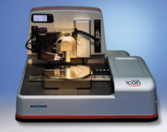 |
Bruker Dimension® Icon® Atomic Force Microscope with ScanAsystTM - This state-of-art AFM allows undergraduate researchers to image samples with atomic resolution by 'touching' the sample with a nano tip, as well as conduct numerous other assays. This microscope is also used in our Bionanotechnology course (Bio 496). Find out more » |
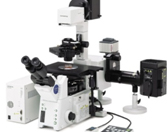 |
Olympus IX2-UCB Spinning Disc Confocal Microscope - This fluorescence confocal microscope allows undergraduate researchers to image multiple fluorophores in a sample within a single optical plane. This microscope is also used in our Biotech Lab Methods II (Bio 364) course. Find out more » |
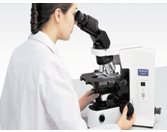 |
Olympus BX41 Clinical Microscope - This fluorescence microscope is housed within our cell culture room and allows undergraduate researchers to monitor cells in culture in real time. Find out more » |
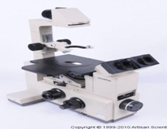 |
Olympus IMT2-RFL Microscope - This microscope allows undergraduate researchers to image fixed samples with high resolution. This microscope is also used in our Genetics course (Bio 251). |
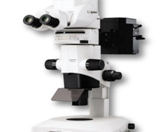 |
MVX10 MacroView Research Macro Zoom Fluorescence Microscope - This microscope allows undergraduate researchers to image multiple fluorescence signals within whole organisms. This microscope is also used in our Developmental Biology course (Bio 341). Find out more » |
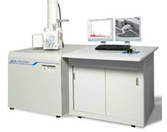 |
JEOL - JSM-6390LV Scanning Electron Microscope - This microscope allows undergraduate researchers to view samples with high resolution (3nm). Find out more » |
Imaging & Scanning
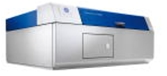 |
Typhoon FLA 9500 - is a top-of-the-line variable mode laser scanner with modular access to the optical components, providing both versatile and flexible imaging for precise quantitation of proteins, nucleic acids, and other biomolecules. Find out more >> |
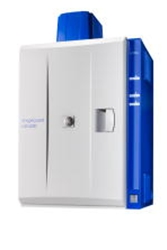 |
ImageQuant LAS 4000 - is a digital imaging system for sensitive, quantitative imaging of gels, blots, and colonies. ImageQuant LAS 4010 Fully equipped imager that in addition performs ultraviolet (UV) and visible (RGB) fluorescence imaging. Find out more >> |
 |
Kodak Gel Logic 2200 Imaging System - This imaging system allows undergraduate researchers to image gels by producing highly sensitive digital imaging of low light signals, including chemiluminescence and fluorescence. This imaging system is used in our Genetics course (Bio 251). |
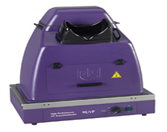 |
DigiDoc-It® Imaging System - This imaging system allows undergraduate researchers to image gels by producing highly sensitive digital imaging for fluorescence, colorimetric, and other assays. Find out more » |
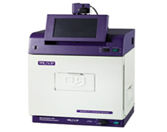 |
BioDoc-It® Imaging System - This imaging system allows undergraduate researchers to produce a basic photo image of their gels for lab book documentation. This imaging system is used in our Genetics course (Bio 251). Find out more » |
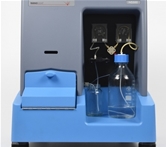 |
The NanoSight NS500 Instrument with DLS - provides an easy-to-use, reproducible platform for specific and general nanoparticle characterization.With the NS500 you can analyze the presence, size distribution, concentration and fluorescence of all types of nanoparticles from 10nm to 2000nm depending on the instrument configuration and sample type. Find out more >> |
DNA Amplification
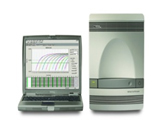 |
Applied Biosystems 7300 Real-Time PCR System - This real-time PCR instrument allows undergraduate researchers to monitor DNA amplification as it is occurring and perform a wide variety of other assays by using advanced multicolor detection capabilities. This instrument is used in our Biotech Lab Methods I course (Bio 254). Find out more » |
 |
Applied Biosystems GeneAmp PCR System 2700 - This PCR instrument enables undergraduate researchers to amplify their DNA of interest. This instrument is used in our Genetics course (Bio 251) and Biotech Lab Methods I (Bio 254). |
Spectrophotometry
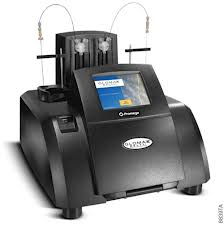 |
Glomax Multi + Dectection System is a modular, easy to use and cost effective multimode reader that allows undergraduate students to detect luminescence, fluorescence, and absorbance. |
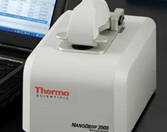 |
Thermo Scientific Nanodrop 2000 Spectrophotometer - This micro-volume spectrophotometer allows undergraduate researchers to measure the absorbance of 1-2μl volume samples to determine nucleic acid, protein, and other concentrations with high sensitivity. This instrument is used in our Genetics course (Bio 251) and Biotech Lab Methods I course (Bio 254). Find out more » |
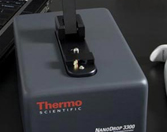 |
Thermo Scientific Nanodrop 3300 Spectrophotometer - This micro-volume spectrophotometer allows undergraduate researchers to measure the emission of 1-2μl volume samples to aid in characterization, microscopy, and other applications. Find out more » |
 |
Beckman DU 640 Spectrometer - This traditional spectrophotometer enables undergraduate researchers to determine the absorbance of a diverse set of samples for various applications. This instrument is used in our Biotech Lab Methods I course (Bio 254). |
 |
Hofer DNA Quant 200 Fluorometer - This instrument allows undergraduate researchers to determine DNA and RNA concentrations of samples. Find out more » |
Flow Cytometry
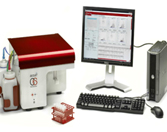 |
The BD Accuri C6 - is a personal flow cytometer that is easy to use, simple to maintain, and affordable.The analytical power and versatility of today's laser-based flow cytometry systems have unlocked the mysteries of cell biology and empowered entirely new fields of research. As a result, flow cytometry has become a staple of modern laboratories around the world. Innovations in ease of use reflected in the BD Accuri C6 make these powerful capabilities more accessible to a new generation of flow cytometry users. Find out more >> |
Cell Culture
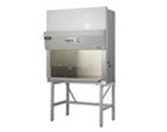 |
NuAire Cell Culture Hood - This piece of equipment allows undergraduate researchers to culture their eukaryotic cells for various experiments and assays. It is used in our Biotech Lab Methods II course (Bio 364). |
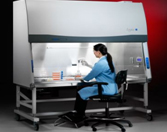 |
Labconco Purifier Class II Biosafety Cabinet (delta series) - This hood provides undergraduate researchers with a sterile environment to prepare media, dishes, and other samples. This hood is used in our Genetics course (Bio 251) and Biotech Lab Methods I course (Bio 254). Find out more » |
Centrifugation
 |
Beckman L7-65 Ultracentrifuge - This water cooled ultracentrifuge allows undergraduate researchers the ability to separate plasmid DNA or other samples requiring high g force. Find out more » |
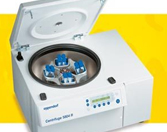 |
Eppendorf Centrifuge 5804R - This refrigerated bench top centrifuge allows undergraduate researchers to separate a high (volume) range of samples for general applications. Find out more » |
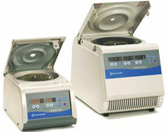 |
Fisher Scientific Accu Spin R Centrifuge - This centrifuge offers undergraduate researchers a compact, high speed centrifuge for general laboratory applications. |
Chromatography
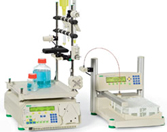 |
BioRad BioLogic BioFrac Fraction Collector - This chromatography system brings high performance, versatility, and ease of use, to allow undergraduate researchers to perform biomolecule purification. Find out more » |
Specimen Collections
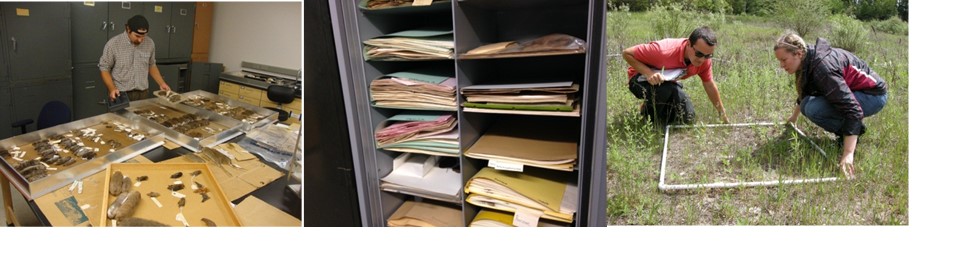
The Department of Biology Natural History Specimen Collection contains thousands of catalogued plant and animal specimens. These include both teaching and research specimens that are available for student and professional use. Although most of the specimens housed in the collection were taken in southern Wisconsin, the collection contains specimens from throughout the United States.
The collection is divided among several areas of natural history:
Plants: Herbarium specimens
Vertebrates:
Mammals
Birds
Reptiles and amphibians
Fish
Invertebrates
Fossils and other biologically relevant rock specimens
Plants: The herbarium collection consists of approximately 6,000 mounted plant specimens. There is a significant student collection for plant taxonomic study. In addition, there are specialized collections of Wisconsin sedges and cattails due to the work of Dr. Galen Smith. The botanical specimens are curated by Dr. Nicholas Tippery ( tipperyn@uww.edu)
Vertebrates: The UW-W Department of Biology is fortunate to have many taxidermy mounts, primarily birds, prepared in the mid -1800's by the famed naturalist Thure Kumlein ( see here). The vertebrate collections have also been expanded by past faculty of the UW-W Department of Biology, most notably Willard Gross (freshwater fish), Jack Cummings (a sizeable collection of marine fish), mammals (George Seeburger). There is also a collection of several hundred herpetological specimens. The vertebrate collection is curated by Dr. Joshua Kapfer ( kapferj@uww.edu)
Invertebrates: The invertebrate collection consists of both mounted and jarred specimens (including a sizeable marine invertebrate collection). The invertebrate collections are curated by Dr. Nadine Kriska ( kriskan@uww.edu)
Use of the collections:
Individuals and small groups may view displayed specimens when Upham Hall is open. For further information about access to the collections or taxa databases, please contact the appropriate curator.
Specimen Donations:
We accept donation of biological collections, specimens, and taxidermy mounts if they are accompanied with appropriate data (particularly the location and date of collection), and if the specimens were collected legally. We prefer to have collection permit numbers or hunter tags associated with the specimens, if possible. Further inquiries about possible donation of specimens should be directed towards the curators or collection manager (Biology Department, biology@uww.edu).
The future of the collections:
Funds were donated by Dr. Jack Cummings and family to help support the collection. Although several taxonomic groups have been digitally catalogued, endeavors are currently underway to create digital databases of all remaining taxa groups.
Decisions about the well-being of the collections are made by the Biology Department's Specimen Collections Committee. The current members include:
- Dr. Elisabeth Harrahy
- Dr. Joshua Kapfer
- Dr. Kerry Katovich
- Dr. Nadine Kriska
- Dr. Nicholas Tippery
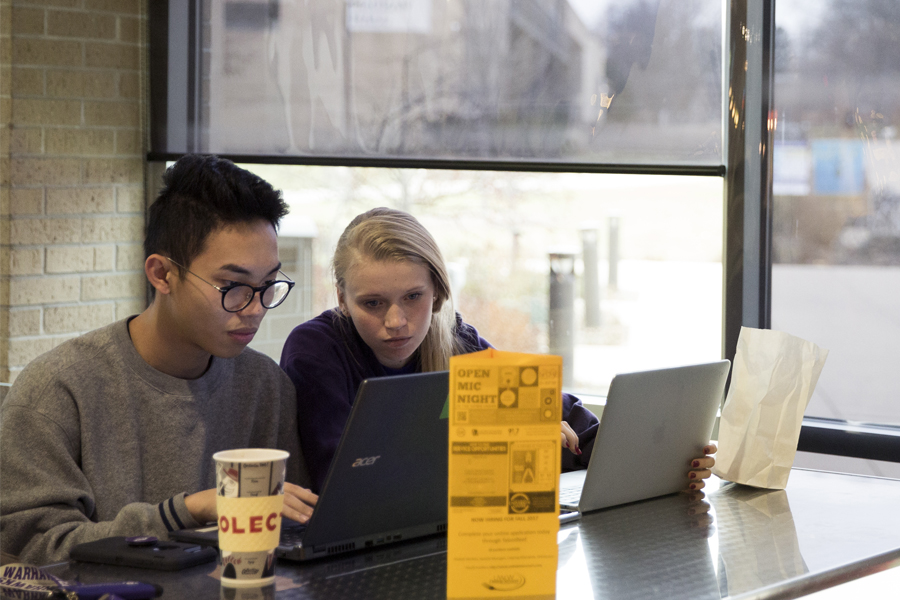
Have an interest in biology? Good at organizing data? If yes, then a minor in Bioinformatics is right for you. You will take courses that will allow you to gain proficiency in subjects such as programming, applied statistics, data visualization, and other techniques to prepare you for a career in aiding scientific discovery.
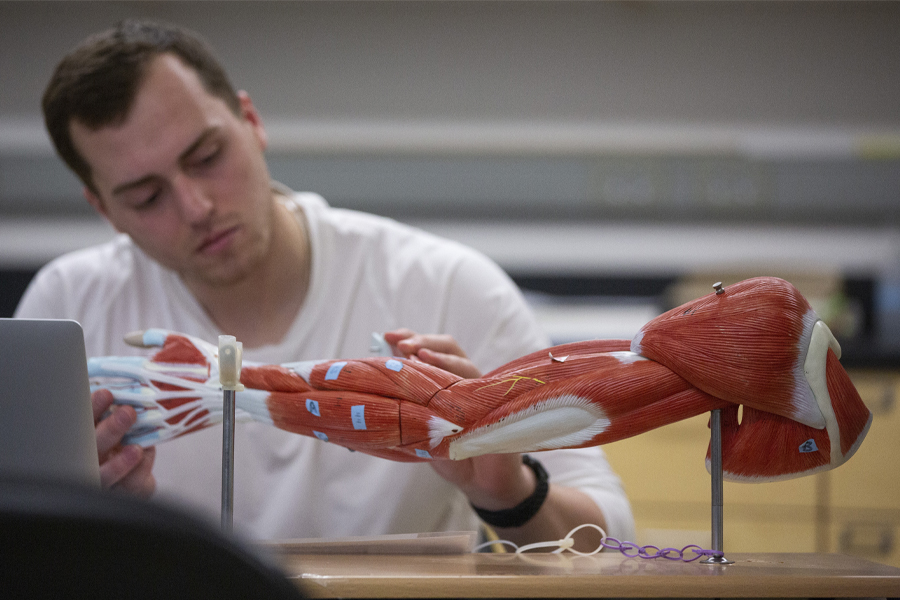
Study biology on the smallest scale with an emphasis in Cell Biology and Physiology. This specific emphasis will allow you to take courses on topics such as microbiology, anatomy, molecular biology, neuroscience, and more, all giving you an understanding and familiarity with many different types of biological studies.
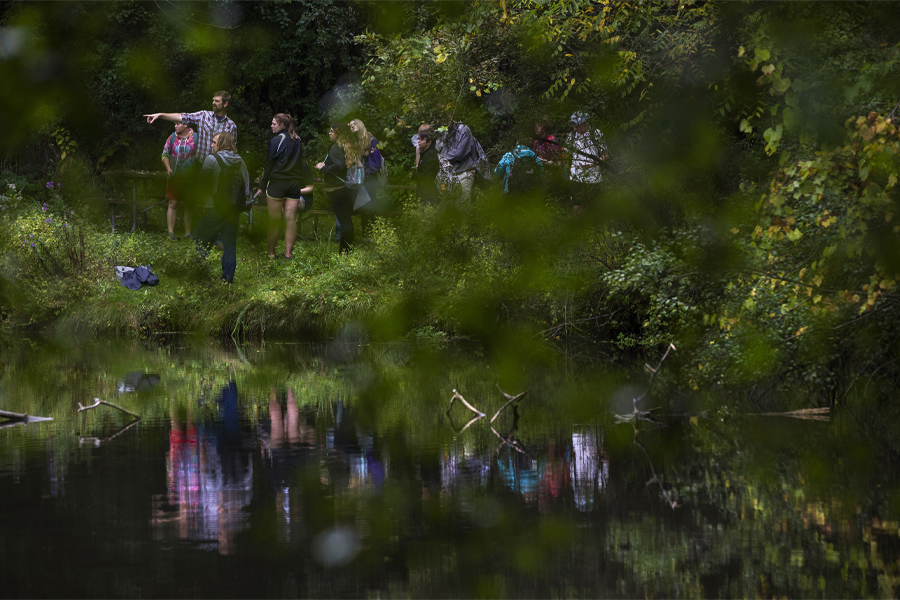
Do you wish to study the interconnectedness of nature and the biological reasons behind plant and animal behavior? With an emphasis in Ecology, Evolution, and Behavior Biology, you will take courses on many relevant biological studies, such as zoology, botany, aquatic organisms, and environmental studies, all preparing you for a career in studying the life around you.
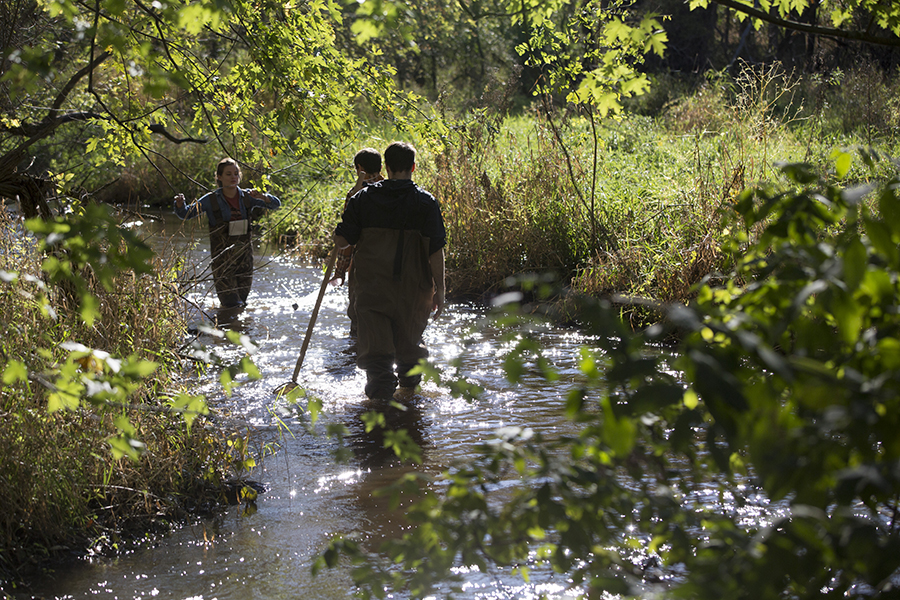
Water — it indicates the presence of life on our planet, what we need to consume to survive, and is home to many different fascinating organisms that are often overlooked or even undiscovered. With an emphasis in Marine and Freshwater Ecology, you will take courses in aquatic biology, ecology, water geography, zoology, and more.
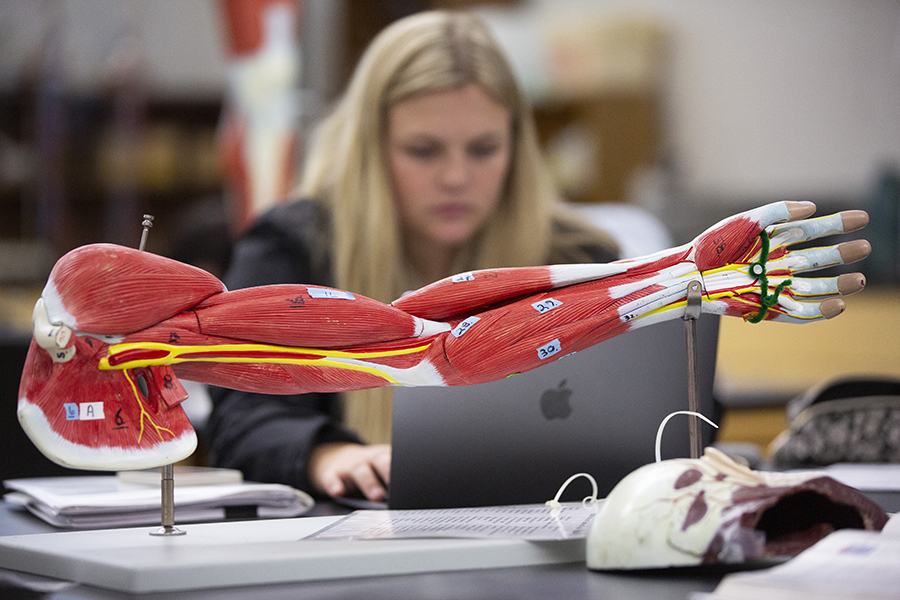
With a Pre-biomedical Professions emphasis, you will study a plethora of biology career-related subjects such as organic chemistry, writing in biology, genetics, applied mathematics, and anatomy, all to prepare you for the biomedical field.
Bioinformatics
MinorHave an interest in biology? Good at organizing data? If yes, then a minor in Bioinformatics is right for you. You will take courses that will allow you to gain proficiency in subjects such as programming, applied statistics, data visualization, and other techniques to prepare you for a career in aiding scientific discovery.
Biology (Cell Biology and Physiology)
Major/Emphasis, MinorStudy biology on the smallest scale with an emphasis in Cell Biology and Physiology. This specific emphasis will allow you to take courses on topics such as microbiology, anatomy, molecular biology, neuroscience, and more, all giving you an understanding and familiarity with many different types of biological studies.
Biology (Ecology, Evolution and Behavior)
Major/Emphasis, MinorDo you wish to study the interconnectedness of nature and the biological reasons behind plant and animal behavior? With an emphasis in Ecology, Evolution, and Behavior Biology, you will take courses on many relevant biological studies, such as zoology, botany, aquatic organisms, and environmental studies, all preparing you for a career in studying the life around you.
Biology (Marine Biology and Freshwater Ecology)
Major/Emphasis, MinorWater — it indicates the presence of life on our planet, what we need to consume to survive, and is home to many different fascinating organisms that are often overlooked or even undiscovered. With an emphasis in Marine and Freshwater Ecology, you will take courses in aquatic biology, ecology, water geography, zoology, and more.
Biology (Pre-biomedical professions)
Major/Emphasis, MinorWith a Pre-biomedical Professions emphasis, you will study a plethora of biology career-related subjects such as organic chemistry, writing in biology, genetics, applied mathematics, and anatomy, all to prepare you for the biomedical field.